Elisa Kits

Research Area
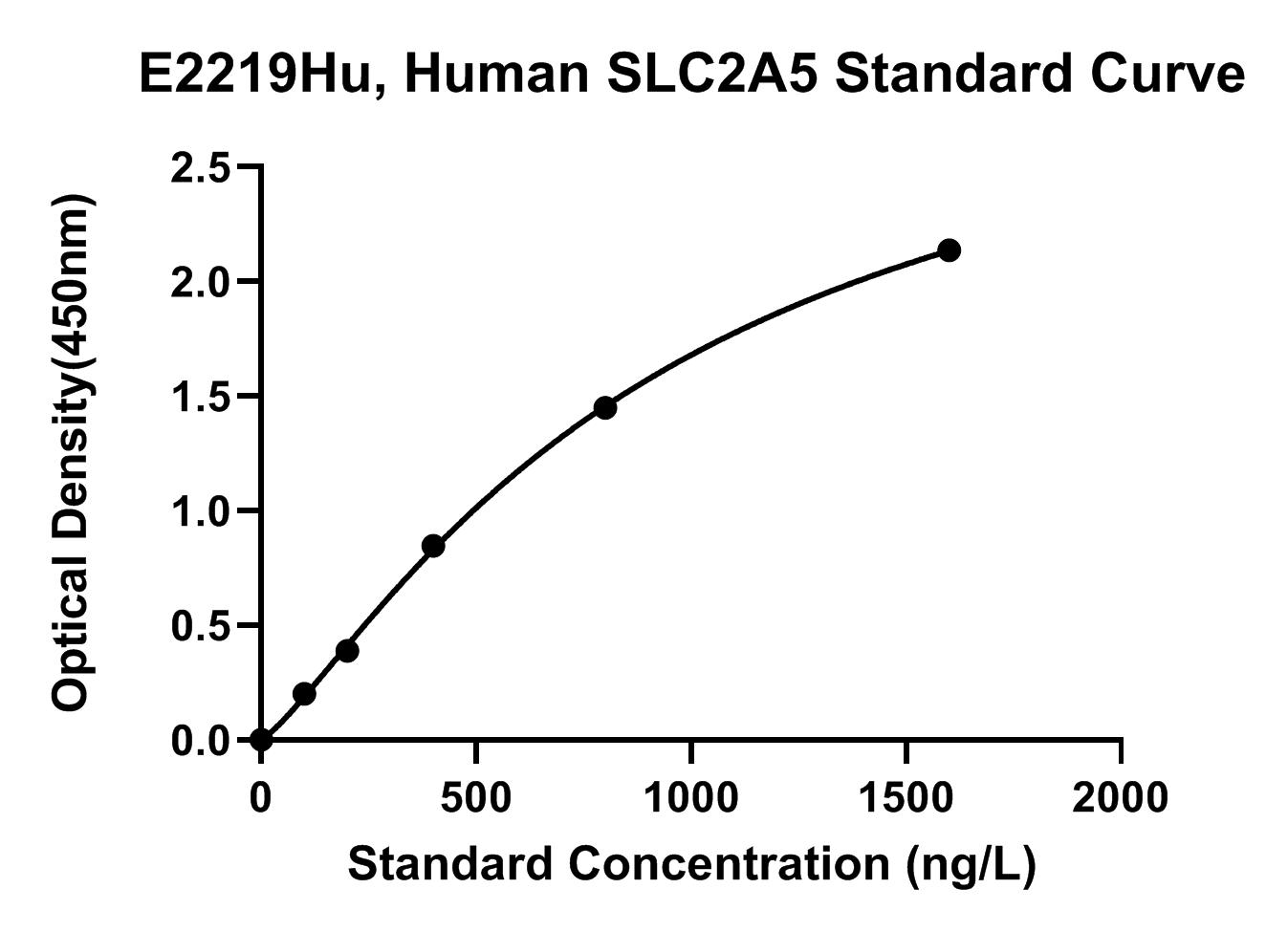
Human Solute Carrier Family 2, Facilitated Glucose Transporter Member 5, SLC2A5 ELISA Kit
Rated 4.5 out of 5
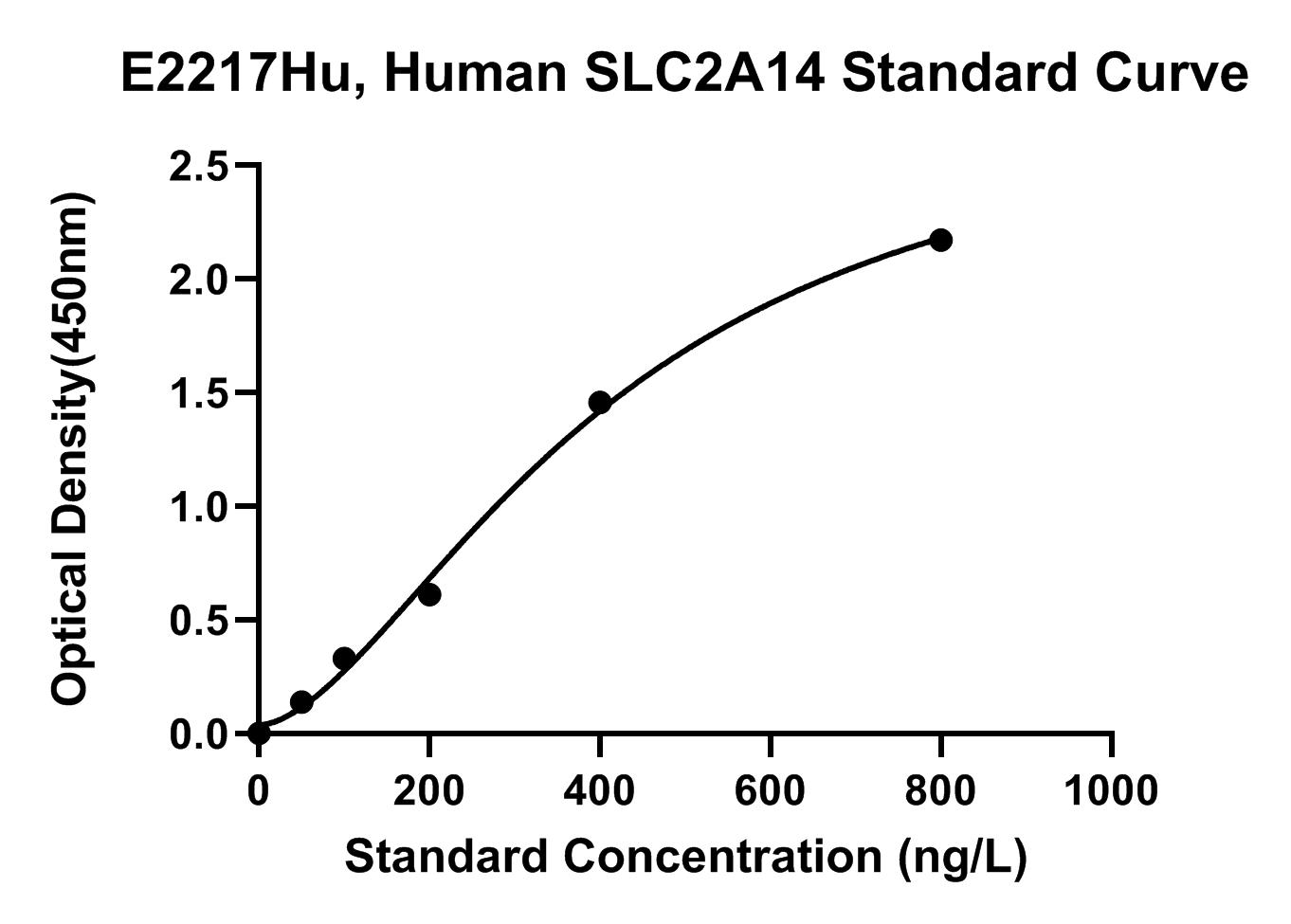
Human Solute Carrier Family 2, Facilitated Glucose Transporter Member 14, SLC2A14 ELISA Kit
Hexose transporter that can mediate the transport of glucose and dehydroascorbate across the cell membrane.…
Rated 4.5 out of 5
Bovine Hydroxymethylglutaryl-CoA Lyase, HMGCL ELISA Kit
Mitochondrial 3-hydroxymethyl-3-methylglutaryl-CoA lyase that catalyzes a cation-dependent cleavage of (S)-3-hydroxy-3-methylglutaryl-CoA into acetyl-CoA and…
Rated 4.5 out of 5
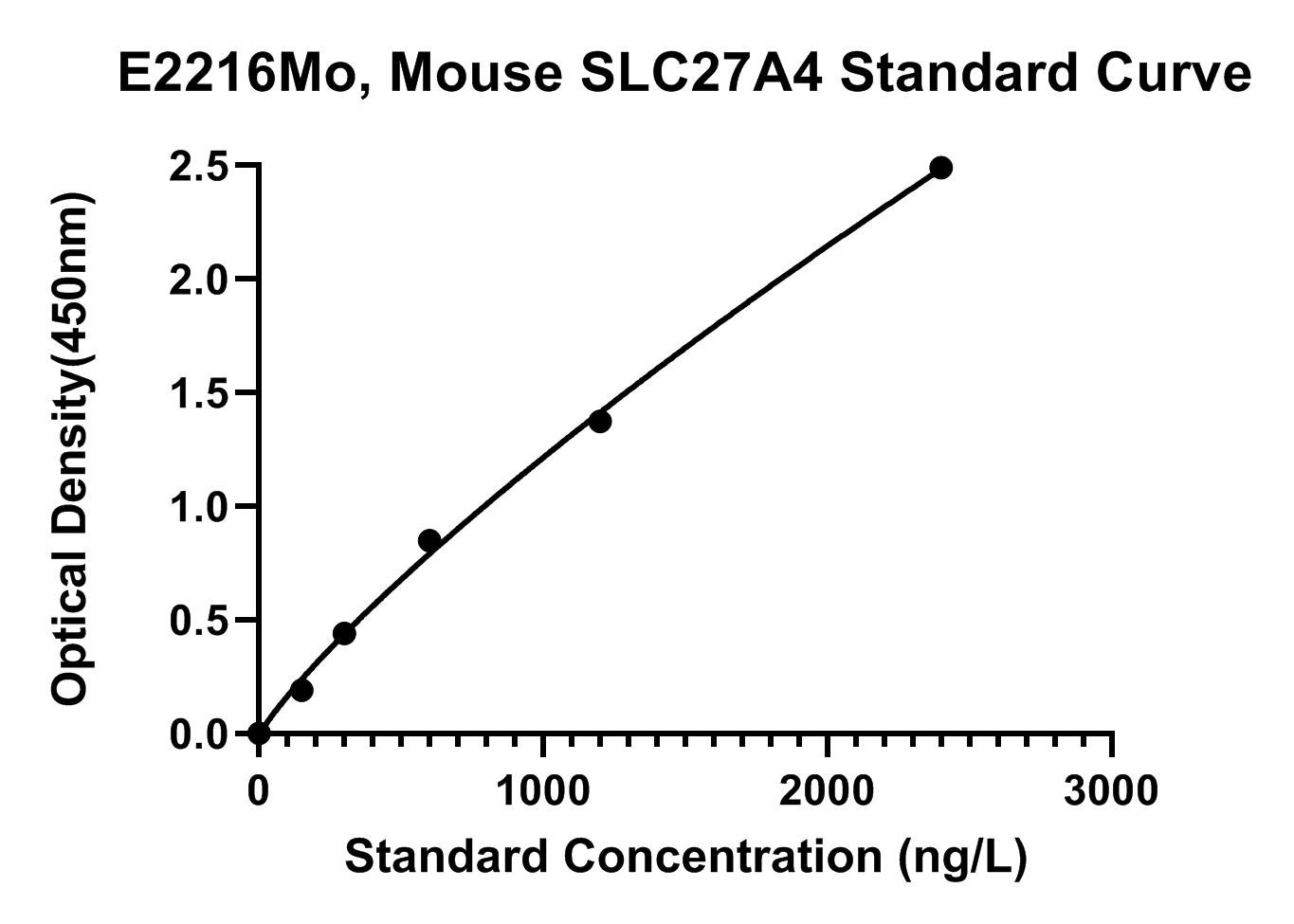
Mouse Long-chain Fatty Acid Transport Protein 4, SLC27A4 ELISA Kit
Long-chain fatty acid transport protein 4 is a protein that in humans is encoded by the SLC27A4 gene. This membrane protein is also called FATP4
Rated 4.5 out of 5
Human Solute Carrier Family 2, Facilitated Glucose Transporter Member 12, SLC2A12 ELISA Kit
Solute carrier family 2, facilitated glucose transporter member 12 is a protein that in humans is encoded by the SLC2A12 gene.…
Rated 4.5 out of 5
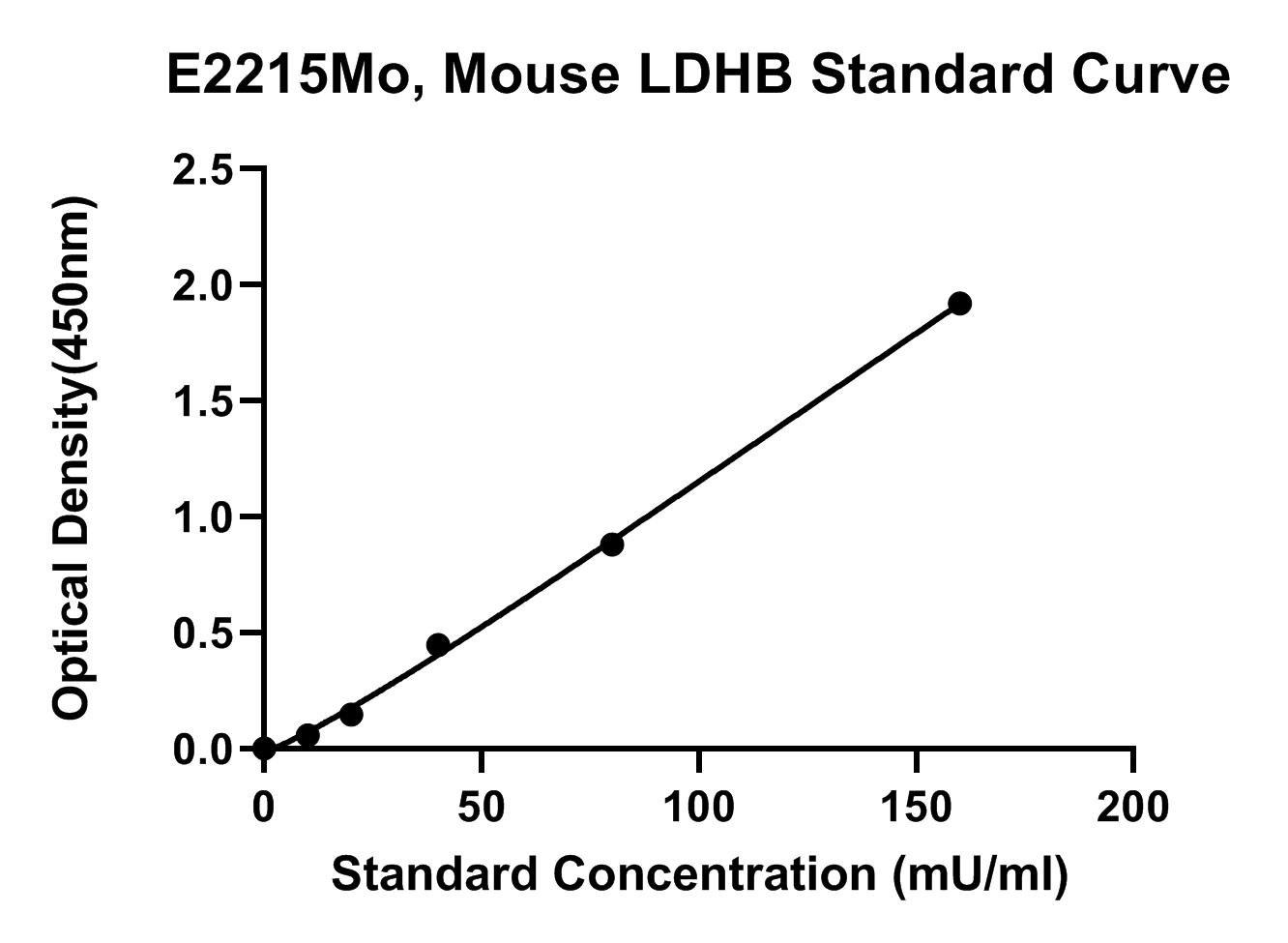
Mouse L-lactate Dehydrogenase B Chain, LDHB ELISA Kit
Lactate dehydrogenase B is a protein that in humans is encoded by the LDHB gene. This gene encodes the B subunit of lactate dehydrogenase enzyme,
Rated 4.5 out of 5
Human Solute Carrier Family 2, Facilitated Glucose Transporter Member 11, SLC2A11 ELISA Kit
Solute carrier family 2, facilitated glucose transporter member 11 (SLC2A11) also known as glucose transporter type 10/11 (GLUT-10/11) is a protein that in h…
Rated 4.5 out of 5
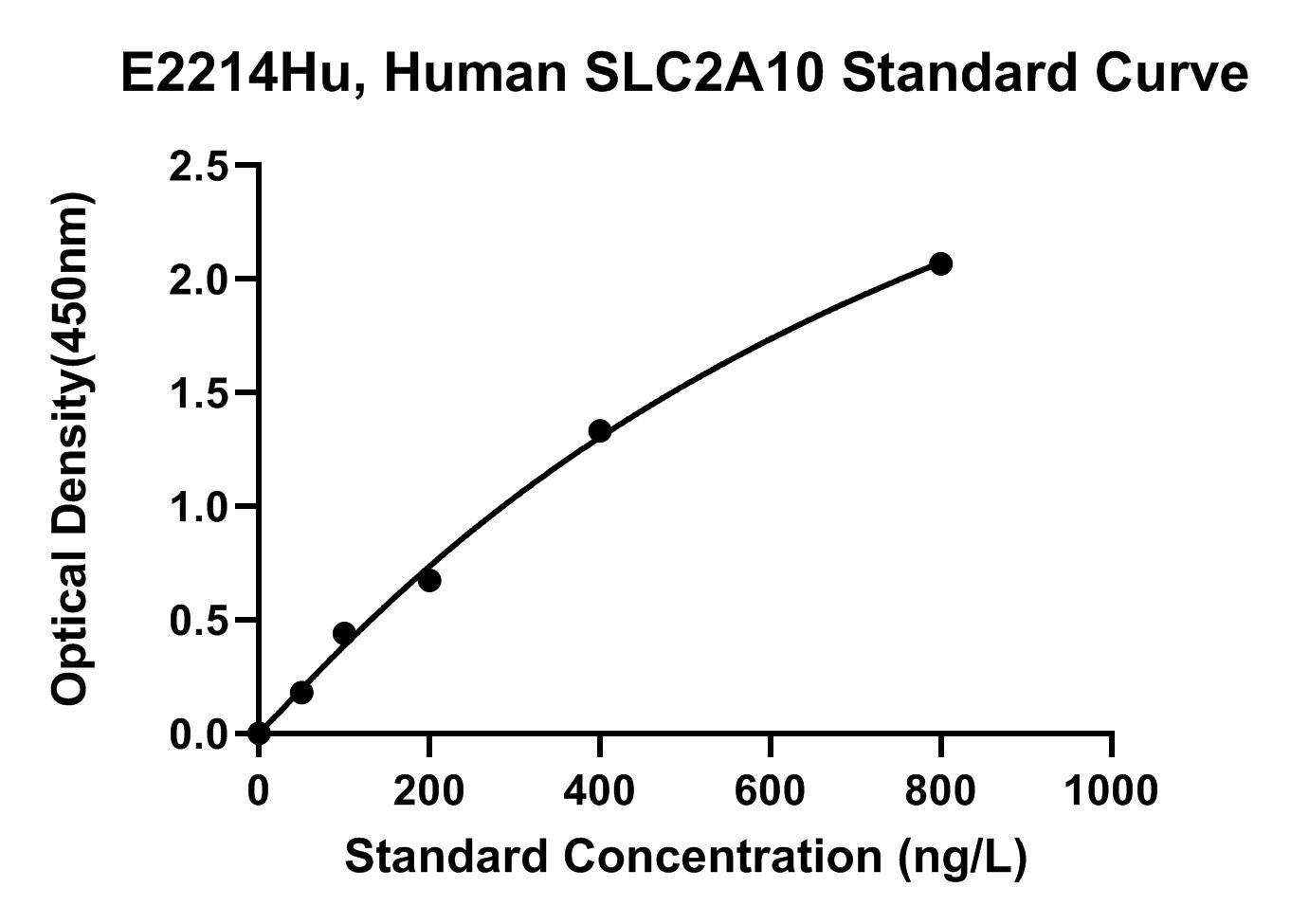
Human Solute Carrier Family 2, Facilitated Glucose Transporter Member 10, SLC2A10 ELISA Kit
Facilitative glucose transporter required for the development of the cardiovascular system.…
Rated 4.5 out of 5
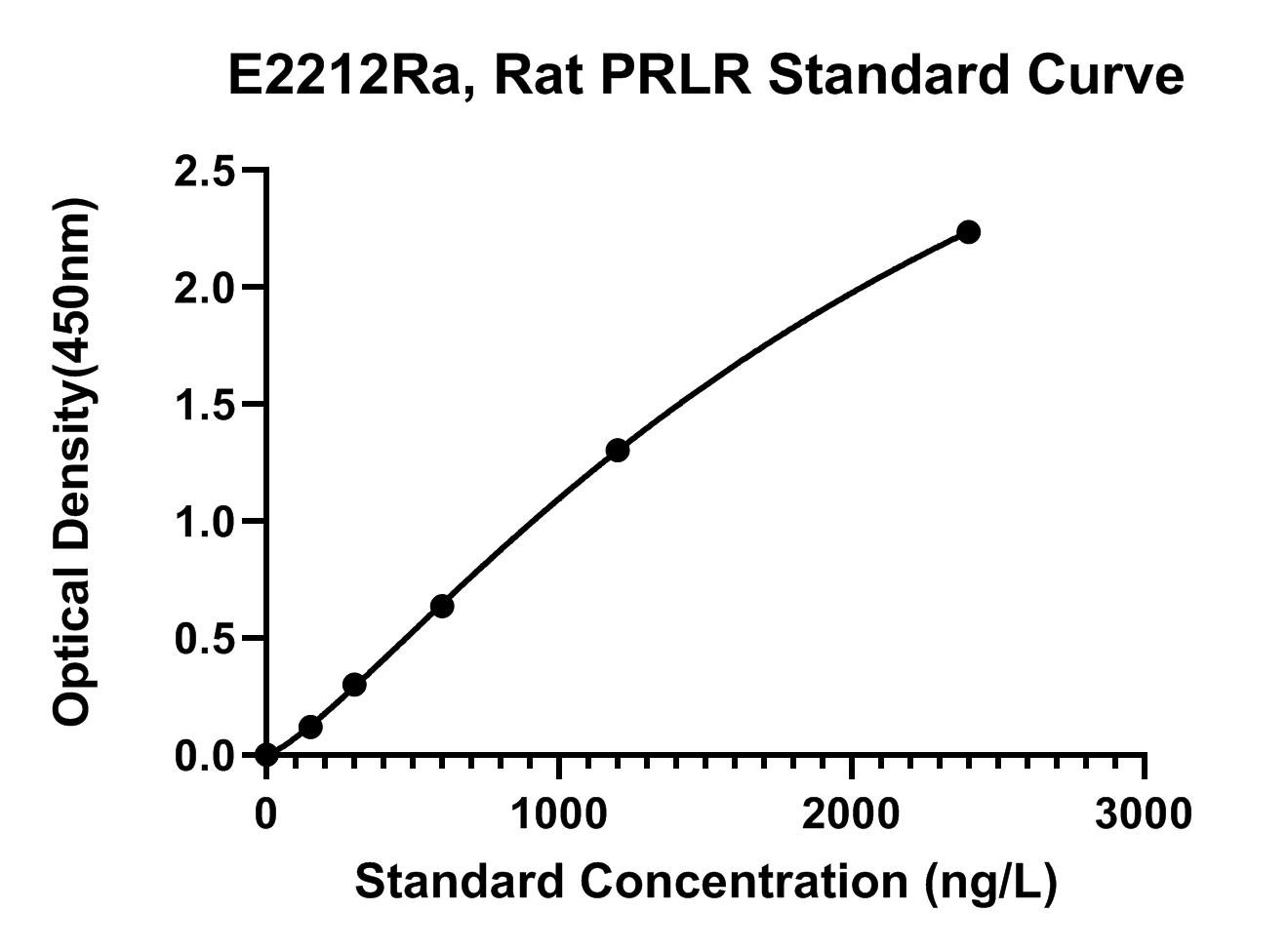
Rat Prolactin Receptor, PRLR ELISA Kit
The prolactin receptor (PRLR) is a type I cytokine receptor[1] encoded in humans by the PRLR gene on chromosome 5p13-14. It is the receptor for
Rated 4.5 out of 5
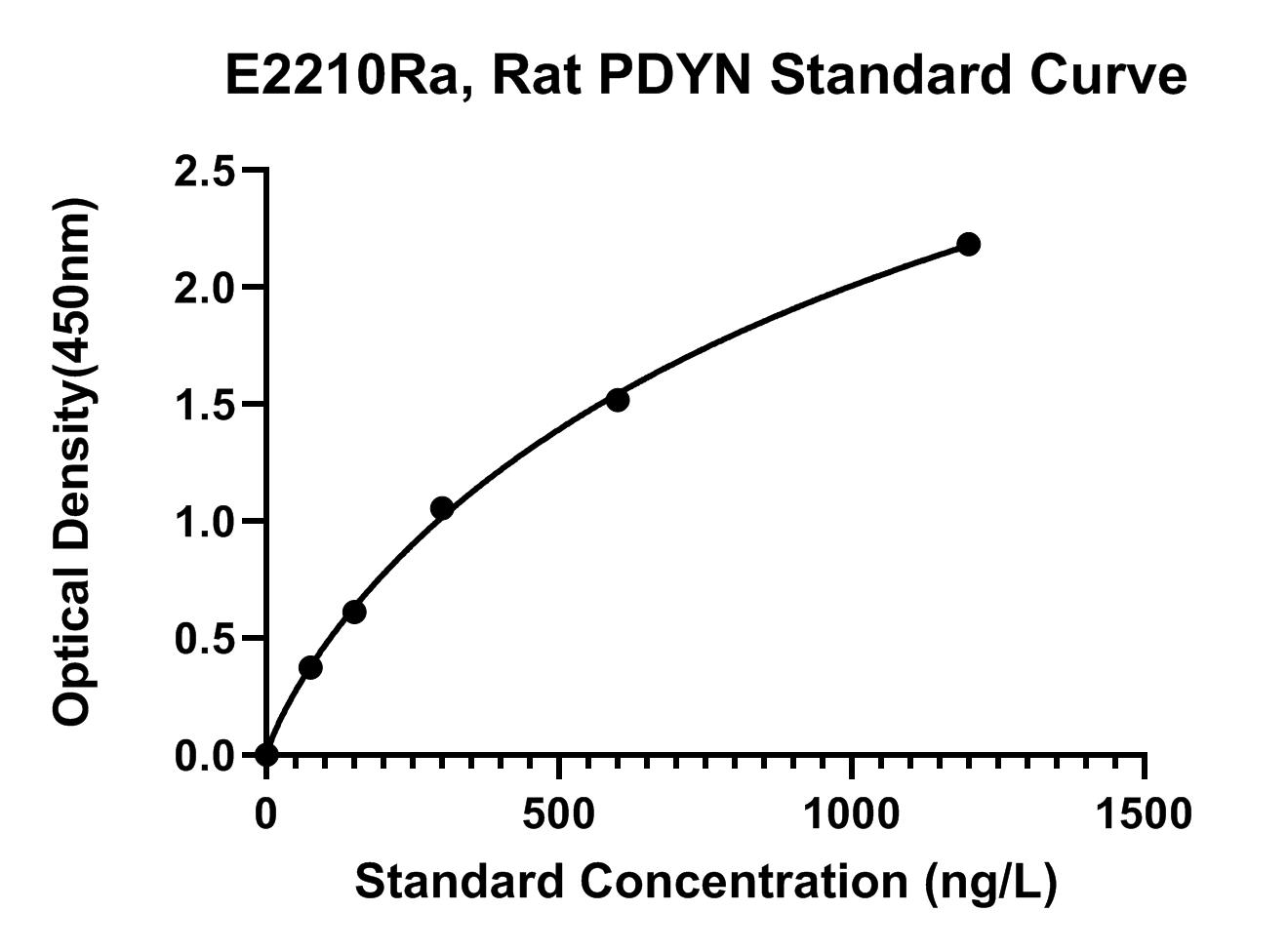
Rat Proenkephalin-B, PDYN ELISA Kit
Leu-enkephalins compete with and mimic the effects of opiate drugs. They play a role in a number of physiologic functions, including pain perception and resp…

Rated 4.5 out of 5

Request a call back

Quotation request