Natural proteins are biologically derived proteins obtained directly from natural sources such as human or animal tissues, blood plasma, plants, or microorganisms. Unlike recombinant proteins, they are not produced through genetic engineering but are isolated in their native form. Because of this, natural proteins closely reflect the structure, folding, and biological activity found in living systems.
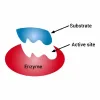
These proteins are composed of amino acids linked together in specific sequences that determine their three-dimensional structure and function. In nature, proteins perform essential roles such as catalyzing biochemical reactions, transporting molecules, providing structural support, and regulating physiological processes. Their native conformation is often critical for maintaining proper biological activity.
Natural proteins are widely used in life-science and biomedical research, especially in studies where authenticity of the protein is crucial. Since they are derived from natural sources, they often contain post-translational modifications that may be absent in recombinant versions. This makes them particularly valuable for functional studies, interaction assays, and diagnostic development.
Common examples of natural proteins include coagulation factors, thrombin, fibronectin, transferrin, avidin, and protease inhibitors such as aprotinin. These proteins play important roles in blood coagulation, cell adhesion, molecular transport, and enzyme regulation. Their applications span hematology, cell biology, immunology, and biochemistry research.
The purification of natural proteins involves carefully controlled processes to maintain activity and stability. Techniques such as chromatography, precipitation, and filtration are commonly used to achieve high purity while preserving the native structure. Quality control ensures consistency, activity, and low contamination levels suitable for laboratory use.
One of the main advantages of natural proteins is their close resemblance to physiological conditions, making experimental results more biologically relevant. Researchers often prefer them when studying enzyme kinetics, receptor binding, or protein–protein interactions, where even minor structural differences can affect outcomes.
Overall, natural proteins remain a vital tool in scientific research and development. Their native characteristics help bridge the gap between in-vitro experiments and real biological systems, supporting advances in basic research, diagnostics, and therapeutic discovery.